Friday, May 5, 2017

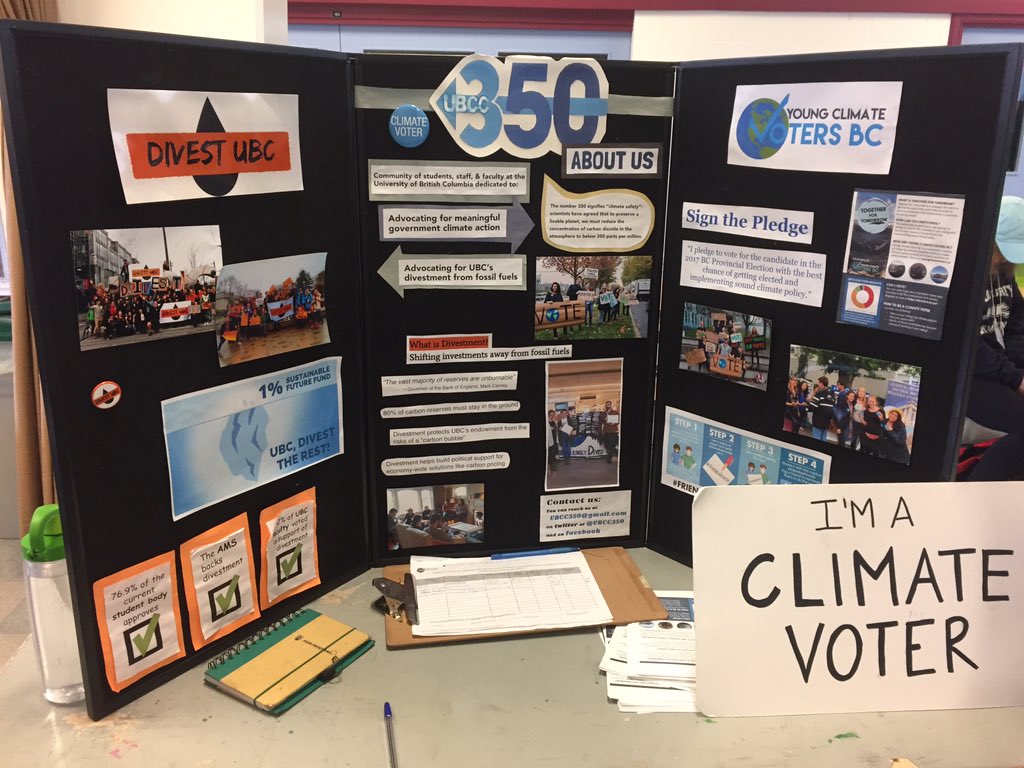
Vancouver Sustainability Conference 2017

Vancouver Sustainability Conference 2017 volunteer at Eric Hamber Secondary School with students from other different schools who I worked with.


  • Getting all the atendees in line to sign in and make name tags for them.


  • Trying to get everyone to write something on these
  • "What issues in sustainability do you think needs more attention?"
       -  composting, ethical food source, water, energy production, oceanwise, climate change


  • "What does sustainability mean to you?"

- to think about the future, ensuring that future generations have the opportunity to survive and thrive on our planet


- led the atendees from the gym to the auditorium where the leaders of the activity talked about sustainability


- helped with handing out sandwiches to the atendees which I enjoyed a lot because I got to talk to some of them and I enjoyed the fact that people kept coming to my station so I was the first one who ran out of sandwiches to give.


  • UBC people talking about their projects


I enjoyed gaining a new experience, and to be out on a pro-d day which was really helpful for other people like volunteering for instance. I also kind of made some friends, students from other different schools. I got to eat free cookies and sandwiches which was amazing. To be led by wonderful and friendly leaders like Celina and Lovely was amazing too!

Monday, May 1, 2017

Camosun Bog species

Native Species - species that normally live and thrive in a particular ecosystem, prefer a high water table with low nutrient, and high acid conditions. These conditions existed at Camosun Bog for 2000 years.

Examples: GROUNDCOVER:
                  sphagnum moss
                  arctic star flower
                  bunch berry
                  cloud berry
                  bog cranberry
                  sundew

                  BUSHES:
                  labrador tea
                  kalmia
                  bog blueberry

                  TREES:
                   lodgepole pine (also shore pine)
                   saskatoon berry
                   caskara

Invasive Species - defined as organisms (plant, animal, fungus or bacterium) that are not native and has negative effects on a region's economy, environment, or public health)

Examples: GROUNDCOVER:
                  polytrichum moss
                  fern (deer, sword, bracken)
                  skunk cabbage
                  salal
                  juncus

                  BUSHES:
                  huckleberry
                  some blueberry species
                  salmonberry
                  blackberry

                  TREES:
                   western hemlock
                   birches
                   mountain ash


Friday, February 24, 2017

Beaty Biodiversity Museum

BLUE WHALE

      • Andrew Trites, a marine mammal specialist dugged up the largest animal specie in the world 25 years ago in Prince Edward Island. It has 4 legs and 2 hands but the other hand is broken and both hands are missing middle fingers. The fin was missing when Andrew Trites dugged the whale up but the missing fin was found in the middle of the road and was given back to him. The bones were very oily so he and his colleagues soaked them into an oil sinking machine. But the oil of the bones didn't dry out and the smell of it is very stinky, the odor could stay for decades. They tried another method to get rid of the oil by the used of enzyme but the enzyme that was used damaged the bones and made them soft that it could be smashed with a hand. A paleontologist fixed the bones by painting them and turned them into what the bones look like now.

• Blue whales eat krills like the tiny little shrimps for breakfast, lunch, snack, and dinner.

• They made keratin so they have grizzly hair in their mouth but not teeth.

• Fact: the whale bone was used as corset for girls to get tiny and pretty hundred years ago.


ANIMAL PREDATORS

   • They target the young, weak, and old. In contrast, trophy hunters target the most impressive individuals, which removes many of the strongest animals from the gene pool. Over time, this human-induced selection can affect the development of a species.


MOUNTAIN GOAT

    • It belongs to the subfamily Caprinae, of the family Bovidae, commonly known as caprids. Caprids diverged from other Bovidae about 14 million years ago.


PLUMAGE BIRDS

     • The brightest colors and patterns can help camouflage birds with their surroundings, but most often, ornamentation has evolved to help birds to stand out to potential mates. In addition to stunning plumage, males attract females through choreographed dances, aerial displays of aerobatic talent or song.


• Not all birds can fly, but flight is birds' most astounding and enviable ability. Not all flight is the same, however, birds' wings are specialized to the type of flying that they do. Whether a bird must hunt for food, escape a predator, hover near a flower, or make a great migratory journey, the shape of a bird's wing is important to its performance.


PHYTOPLANKTON

    • CLASS: Bacillariophyceae
    • Phytoplankton, such s diatoms, are crucially dependent on mineral in the freshwater and marine environments where they are found. Many different types of photosynthetic marine organisms can be considered phytoplankton. Besides diatoms, these include cyanobacteria, dinoflagellates, and many types of algae.


ZOOPLANKTON

    • SUBCLASS: Copepoda
    • Copepods, a type of zooplankton, are small crustaceans         primarily transported by ambient water currents. Zooplankton can also include larval forms of fishes, molluscs, jellyfishes, or other crustaceans.
.

Thursday, January 19, 2017

WELCOME

Welcome to my blog! This is my first time making one and I will be posting some topics with detailed pictures towards my biology 11 class.